

BAC Water
$150.00
10 vails
BAC Water (Bacteriostatic Water)
Product Overview
BAC Water (Bacteriostatic Water) is a sterile, non-pyrogenic solution containing 0.9% benzyl alcohol as a preservative to inhibit bacterial growth after the vial has been opened. It is commonly used in laboratory settings as a diluent for reconstituting lyophilised research materials under appropriate research protocols.
The preservative allows multiple withdrawals from the same vial when handled using proper aseptic technique and stored according to the manufacturer’s guidance.
Key Features
- Sterile, non-pyrogenic water
- Contains 0.9% benzyl alcohol as a bacteriostatic preservative
- Suitable for multi-dose laboratory use when handled correctly
- Clear, colourless solution
- Manufactured under controlled quality standards
- Available in multiple vial sizes
- Intended for research applications only
Product Specifications
| Specification | Details |
|---|---|
| Product Name | Bacteriostatic Water (BAC Water) |
| Solution Type | Sterile Water with Preservative |
| Preservative | 0.9% Benzyl Alcohol |
| Appearance | Clear, Colourless Liquid |
| Sterility | Sterile & Non-Pyrogenic |
| Available Sizes | 10 mL, 20 mL, 30 mL |
| Storage | Store according to product guidance |
| Intended Use | Laboratory Research Only |
What Is BAC Water?
Bacteriostatic Water is purified sterile water that contains a small amount of benzyl alcohol to help reduce bacterial growth after opening. Unlike sterile water without a preservative, it is designed for situations where multiple withdrawals from the same vial may be required during laboratory research.
Common Laboratory Applications
BAC Water is commonly used in laboratory environments for:
- Reconstituting lyophilised research materials
- Preparing laboratory solutions
- Controlled research protocols
- Multi-dose laboratory procedures
- Scientific and analytical research
BAC Water vs Sterile Water
| Feature | BAC Water | Sterile Water |
|---|---|---|
| Sterile | ✓ | ✓ |
| Contains Preservative | Yes | No |
| Multi-dose Capability | Yes (when handled appropriately) | Generally intended for single-use after opening |
| Bacterial Growth Inhibition | Yes | No |
| Laboratory Reconstitution | Yes | Yes |
Storage Information
For best laboratory practice:
- Store unopened vials according to the manufacturer’s instructions.
- Protect from excessive heat and direct sunlight.
- Use sterile equipment for every withdrawal.
- Follow the manufacturer’s guidance regarding storage after opening.
- Discard the vial if contamination is suspected.
Quality Standards
Each batch is produced under controlled manufacturing conditions to support consistency and quality. BAC Water is supplied as a sterile, clear solution suitable for laboratory research applications.
Frequently Asked Questions
What is BAC Water?
BAC Water (Bacteriostatic Water) is sterile water containing 0.9% benzyl alcohol, which acts as a preservative to inhibit bacterial growth after opening.
What is the difference between BAC Water and sterile water?
The main difference is that BAC Water contains a preservative, while sterile water does not. This makes BAC Water suitable for multiple withdrawals when used with proper aseptic technique.
Why does BAC-Water contain benzyl alcohol?
Benzyl alcohol acts as a bacteriostatic preservative, helping reduce bacterial growth within the vial after it has been opened.
How should BAC Water be stored?
Always follow the storage instructions provided with the product and maintain appropriate laboratory handling procedures.
Is BAC Water sterile?
Yes. BAC Water is manufactured as a sterile, non-pyrogenic solution.
Why Choose High-Quality BAC Water UK?
Selecting a high-quality bacteriostatic water product helps support consistency in laboratory workflows. Look for products manufactured under appropriate quality controls, supplied in sterile containers, and accompanied by clear specifications and handling guidance.
Research Use Notice
For laboratory research use only. This product is not intended for human or veterinary use. It should be handled only by qualified personnel in accordance with applicable institutional policies and local regulations.
Be the first to review “BAC Water”
Related products

GLP-1 & Metabolic Research
GLP-1 & Metabolic Research
GLP-1 & Metabolic Research
GLP-1 & Metabolic Research
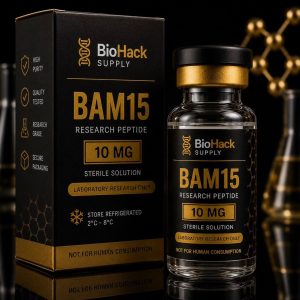
GLP-1 & Metabolic Research
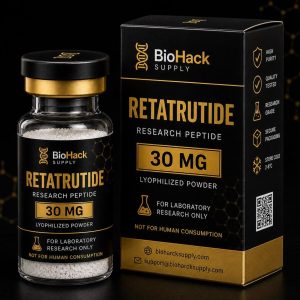
GLP-1 & Metabolic Research
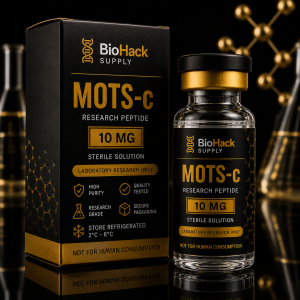
GLP-1 & Metabolic Research
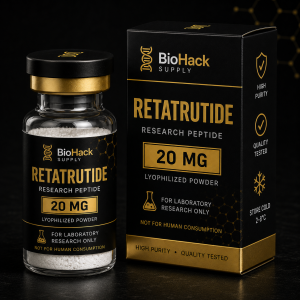
GLP-1 & Metabolic Research
Reviews
There are no reviews yet.